When Your Car Key Fob Stops Working: A Guide to Key Fob Battery Replacement
It happens to most drivers eventually. You walk up to your car, press the unlock button on your key fob, and nothing happens. You press it again, maybe holding it closer to the door handle. Still nothing. A moment of frustration sets in before you realize the battery is probably dead. It is a small inconvenience, but one that can throw off your whole day if you are already running late.
I have been through this cycle more times than I can count, both with my own cars and with clients’ vehicles. The good news is that a dead fob battery is usually a simple fix. You do not need to be a mechanic or a locksmith to handle it. But there are a few things worth knowing before you pop open that plastic casing. A little knowledge goes a long way when it comes to key fob battery replacement.
What Actually Happens When the Battery Dies
Key fobs use small coin-cell batteries, typically a CR2032 or CR2025, to send a radio signal to your car’s receiver. When that battery drops below a certain voltage, the signal weakens. You might notice the fob only works when you stand right next to the car, or you have to press the button several times. That is the first clue that the battery is on its way out. Ignore it for too long, and you will eventually be locked out.
Some modern fobs give you a warning. The car might display a message like “Key battery low” on the dashboard. Others just stop working without notice. If you have not changed the battery in two or three years, it is probably time. Most batteries last between two and four years depending on how often you use the fob and the climate you live in. Extreme cold can drain them faster.
Do You Really Need a Locksmith for This?
For most standard key fobs, the answer is no. You can do a key fob battery replacement yourself in under five minutes with a small screwdriver and the right battery. But there are exceptions. Some high-end vehicles use sealed fobs that are not meant to be opened. Others have complex internal layouts where prying the case open can damage the circuit board inside. If you are not comfortable with small electronics, or if the fob feels glued shut, it is smarter to let a professional handle it.
I have seen people crack the plastic housing trying to force it open with a butter knife. Once the casing is broken, the fob might not seal properly again. Moisture gets in, and then you are buying a whole new fob instead of just a five-dollar battery. So know your limits. If the fob does not have a visible seam or a small notch for prying, consider taking it to a locksmith or a dealership.
What You Will Need for the Job
If you decide to do it yourself, here is what the process generally looks like. Keep in mind that every fob is slightly different, but the steps are similar across most makes and models.

- A small flathead screwdriver or a plastic prying tool. You can also use a coin for some fobs with a twist-lock design.
- The correct replacement battery. Check your owner’s manual or look at the existing battery before you buy a new one. Common types are CR2032, CR2025, and CR1632.
- A clean, dry workspace. A kitchen table or desk is fine. Avoid doing this in the car where you might drop the tiny screws into the seat crack.
Once you have those, you are ready to start. Insert the screwdriver into the notch on the side of the fob and gently twist to separate the two halves. Be careful not to lever too hard or you might scratch the plastic. Pop out the old battery, noting which side faces up (usually the positive side). Slide the new battery in the same orientation, snap the case back together, and test the fob. If it works, you are done. If not, double-check that the battery is seated correctly and that the contacts are clean.
Common Mistakes People Make
I have seen plenty of fobs come through my shop with problems caused by a simple battery swap gone wrong. The most common issue is using the wrong battery thickness. A CR2025 is 2.5 mm thick, while a CR2032 is 3.2 mm thick. They both fit in some fobs, but the thinner battery might rattle around and lose contact. The thicker one might not allow the case to close fully. Always match the exact model number.
Another mistake is touching the battery contacts with bare fingers. The oils from your skin can create a faint film that interferes with the electrical connection. If you can, handle the battery by the edges or wear clean gloves. If you do touch the flat surface, wipe it with a dry cloth before inserting it.
Connect with us on YouTube.
Some people also forget to check the spring contacts inside the fob. Over time, those tiny metal tabs can get bent or flattened. If the new battery still does not work, gently bend the contact upward a fraction of a millimeter to ensure a snug fit. Too much pressure, though, and you risk snapping the contact off entirely.
When Key Fob Battery Replacement Is Not Enough
Sometimes you replace the battery and the fob still does not work. That can be frustrating, but it usually means the problem is something else. The fob itself might have a broken internal component, or the car’s receiver could be faulty. Another possibility is that the fob has lost its programming. This can happen if the battery was dead for a long time or if the fob was dropped hard.
If you are dealing with a fob that was working fine until the battery died, and it still does not work after a fresh battery, try re-syncing it to the car. Many vehicles have a simple procedure for this. You might need to put the key in the ignition and turn it to a specific position while pressing a button on the fob. Check your owner’s manual for the exact steps. If that does not work, you likely need a locksmith or a dealership to reprogram the fob or replace it entirely.
I have had customers who spent an hour trying to get a fob to work, only to find out the battery they bought had been sitting on a store shelf for years and was already weak. If you have a multimeter, you can test the voltage. A fresh CR2032 should read around 3.0 volts. Anything below 2.8 volts might not be strong enough to trigger the car’s receiver from a normal distance.
How to Extend the Life of Your Fob Battery
There are a few habits that can help you get the most out of each battery. First, store your fob away from extreme temperatures. Leaving it in direct sunlight on a hot dashboard or in a freezing glovebox can shorten its life. Second, avoid pressing the buttons unnecessarily. Every press uses a small burst of power. If you tend to fidget with the fob in your pocket, consider keeping it in a separate pocket away from coins and keys that might press the buttons accidentally.
Third, if you have a spare fob that you rarely use, store it in a cool, dry place. The battery will still drain slowly over time, but it will last longer than if it sat in a hot car. Some people even remove the battery from a spare fob entirely and keep the battery in the package. That way you always have a fresh one ready when the main fob dies.
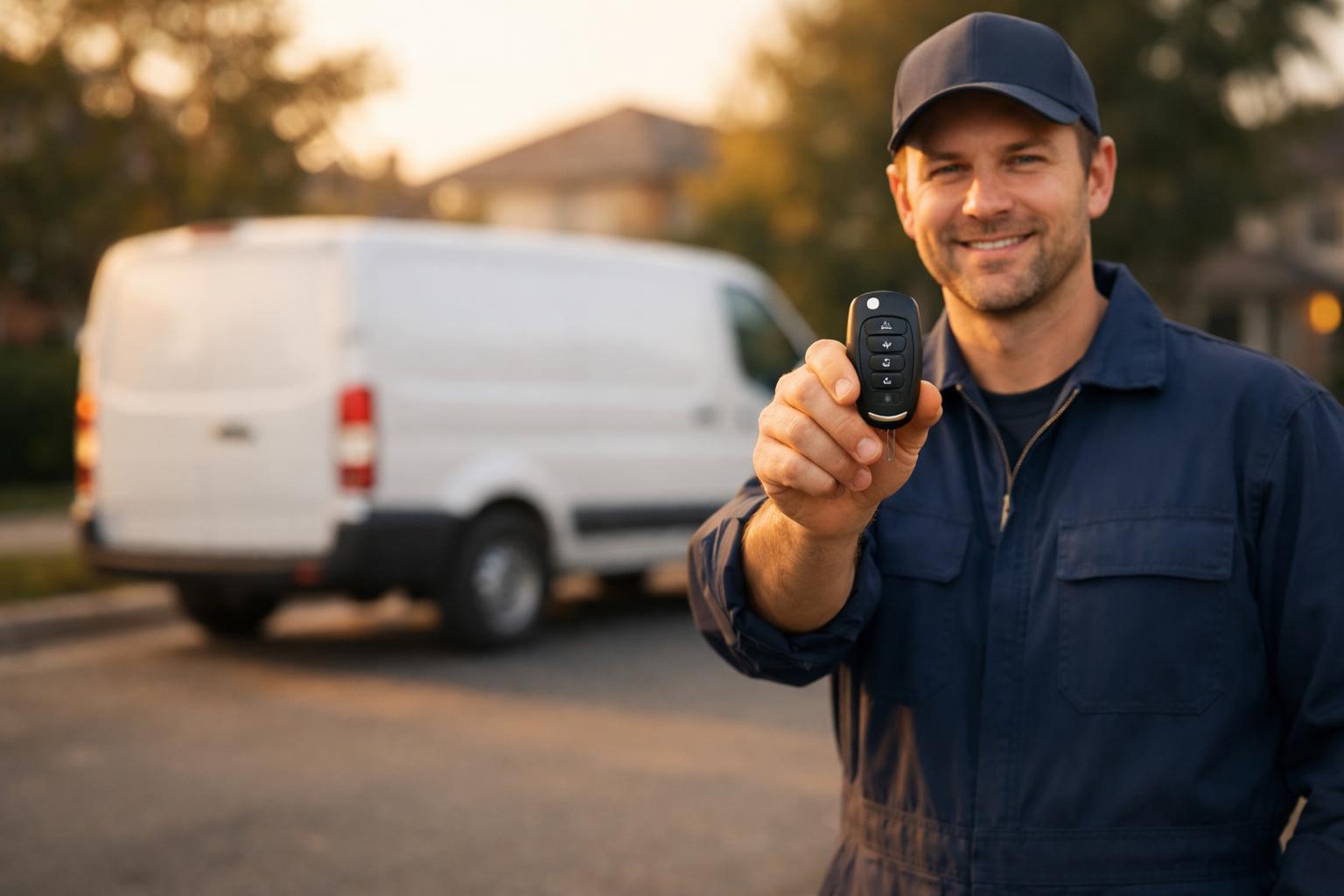
I also recommend replacing the battery in your spare fob at the same time as the main one. That way you are not caught off guard when you grab the spare and find it dead too. It is a small step that saves a lot of hassle later.
When to Call a Professional
If you have tried a key fob battery replacement and the fob still does not work, or if you are dealing with a sealed fob that you cannot open, it is time to call someone who does this every day. A professional locksmith can open the fob without damaging it, test the internal components, and reprogram the fob if needed. They can also tell you whether the fob itself is failing or if the issue is with the car.
For drivers in the Greater Toronto Area, Local GTA Locksmith provides same-day mobile service for car key replacement, programming, and repair, including key fob battery replacement and diagnostics, so you can get back on the road without a trip to the dealership.
Final Thoughts
Dead key fob batteries are one of those small annoyances that are easy to fix if you know what you are doing. A little preparation, the right tools, and a steady hand can save you time and money. But if you run into trouble, there is no shame in calling a pro. The cost of a service call is often less than the frustration of a broken fob or a wasted afternoon. Keep a spare battery in your glovebox, check your fob once a year, and you will rarely be caught off guard.